

Direct answer: Traditional SEO optimizes pages to rank in classic search results, AEO (Answer Engine Optimization) optimizes content to be selected as a direct answer, and GEO (Generative Engine Optimization) optimizes content to be cited or synthesized by generative AI systems. AI search visibility is the combined outcome of all three working together.
Key Takeaways

- Traditional SEO focuses on ranking pages; AEO focuses on being the answer; GEO focuses on being cited by generative engines.
- AI search visibility is not a single metric and cannot be guaranteed by any tool or audit score.
- Google AI Overviews do not require special markup, but they reward clear, people-first content and accurate metadata.
- An AEO audit checks answer clarity, structure, and FAQ coverage; a GEO audit checks entity salience, citation-worthiness, and topic confidence.
- AI visibility signals do not guarantee rankings or inclusion in Google AI Overviews.
- Use audits as diagnostic inputs, not as proof of future performance.
What Is the Difference Between AEO, GEO, and Traditional SEO?

AEO, GEO, and traditional SEO solve different discovery problems, and confusing them leads to wasted effort.
Traditional SEO is the practice of making a page discoverable and rankable in search engine results pages. It covers crawlability, indexing, keyword targeting, internal linking, page experience, and structured data. The goal is a position in a results list.
Answer Engine Optimization (AEO) is the practice of structuring content so an answer engine can extract a concise, accurate answer. This includes direct definitions, short explanatory paragraphs, FAQ blocks, and clear headings. The goal is to be selected as the answer, not just listed.
Generative Engine Optimization (GEO) is the practice of making content understandable and citable by generative AI systems such as Google AI Overviews, ChatGPT Search, Gemini, and Perplexity. It emphasizes entity clarity, verifiable claims, topic confidence, and source-worthy phrasing. The goal is to be referenced or synthesized in a generated response.
These disciplines overlap. A page with strong traditional SEO but no answer structure may rank yet fail to be quoted. A page with excellent answer formatting but weak crawlability may never be seen. AI search visibility depends on all three layers being present.
AI Search Visibility: Why Traditional Rankings Are Not Enough
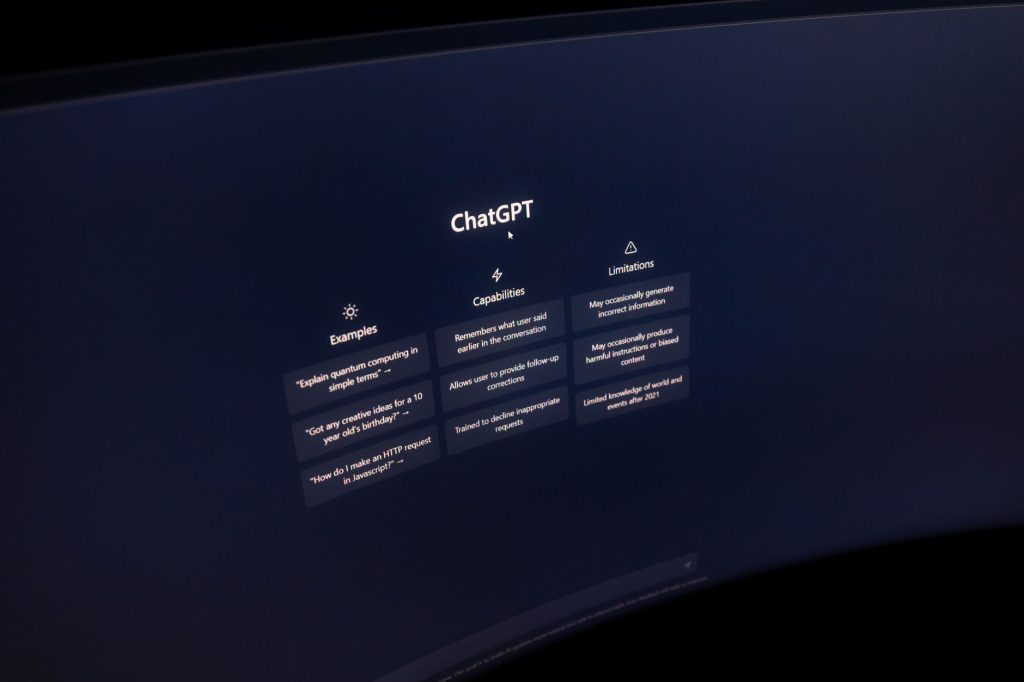
Ranking is no longer the only visible outcome; being cited or summarized is now a separate competition.
Google AI Overviews and AI chat interfaces increasingly answer questions directly. A user may never click a traditional result. For B2B teams, publishers, and SaaS companies, this means visibility must be evaluated at the answer level, not only the ranking level.
Google’s own guidance on AI features in Google Search explains that AI Overviews are built on core ranking systems and helpful content principles. There is no separate AI-only submission channel. Google’s helpful content guidance reinforces that people-first, original, and experience-based content is the foundation.
This is the problem an AEO or GEO audit solves: it reveals whether your content is structured to be understood, trusted, and quoted by AI systems, rather than only ranked by a classic algorithm.
AEO Audit vs GEO Audit vs Traditional SEO Audit: Comparison Table

Each audit type answers a different question, and mature teams run all three rather than replacing one with another.
| Audit type | Primary question | Typical signals reviewed | Common tools |
|---|---|---|---|
| Traditional SEO audit | Can this page rank and be crawled? | Indexability, titles, headings, links, page speed, structured data | Search Console, crawlers, keyword platforms |
| AEO audit | Can this page be extracted as a direct answer? | Direct definitions, FAQ coverage, heading clarity, answer length | Answer-structure checklists, content auditors |
| GEO audit | Is this page citable by generative engines? | Entity salience, topic confidence, EEAT signals, verifiable claims | Entity and EEAT review workflows, AI visibility checkers |
Traditional SEO tools such as Semrush, Ahrefs, Surfer SEO, Clearscope, and MarketMuse are built primarily around ranking, keyword, and content-brief workflows. They are valuable for classic search performance. They are not designed as dedicated AEO or GEO auditors, and they do not certify how a generative engine will treat a page.
How to Run an AEO and GEO Audit Step by Step

A practical audit moves from structure to substance, then to simulation and review.
- Define the target question. Write the exact question a user or AI system would ask, such as “What is the difference between AEO and GEO?”
- Check the direct answer. Confirm the page answers that question in the first paragraph, in one or two plain sentences.
- Review heading structure. Ensure H2 and H3 headings are descriptive and match the question language. Descriptive headings also improve accessibility and image alt text.
- Verify entity clarity. Name the brands, products, standards, and concepts involved. Avoid ambiguous pronouns that break entity salience.
- Check EEAT signals. Look for author information, cited sources, dates, and verifiable claims. An EEAT audit is part of GEO readiness.
- Add or refine the FAQ block. Answer at least five real questions factually, without promotional language.
- Run a structured-data check. Use valid schema where appropriate, following Google’s structured data documentation.
- Simulate AI evaluation. Use a visibility checker or simulator to preview how content may be read and summarized, then treat the output as a diagnostic, not a live result.
- Document and iterate. Record changes and review after a reasonable period. Do not expect immediate AI citation.
For teams that want to test pasted content quickly, the Web AEO/GEO Auditor evaluates content for AI visibility and EEAT signals. It is a diagnostic aid, not a ranking guarantee.
Realistic Use Case: A B2B SaaS Team Preparing for Google AI Overviews
A realistic workflow starts with a high-intent question and ends with a reviewed, structured page.
Imagine a SaaS marketing team targeting the question “How does an AEO audit differ from a GEO audit?” They write a draft, then run it through an AEO/GEO audit checklist. They find the introduction lacks a direct answer, the headings are vague, and the FAQ is missing. They revise the introduction, rename headings to match the question, add five factual FAQs, and cite Google documentation.
Next, they use a simulator such as Google AI Overviews Mirror to preview how their brand and a competitor might be evaluated against the same question. The output is a simulation, not an actual live Google result. The team uses it to identify gaps in entity clarity and answer structure, then edits the page again.
Finally, they install the AI SEO Visibility Chrome Extension to audit selected text directly on the live page. The extension helps reviewers check answer clarity and trust signals without leaving the browser.
Limitations: What an AI Visibility Score Cannot Guarantee
Audit scores are directional indicators, not predictions of Google behavior.
- No guaranteed rankings. A high AI visibility score does not guarantee a position in traditional search results.
- No guaranteed AI Overview inclusion. AI visibility signals do not guarantee inclusion in Google AI Overviews or any generative engine.
- No official Google score. Third-party AEO or GEO scores are not official Google ranking scores.
- Simulation is not live output. Simulated AI Overview output is not an actual live Google result.
- Models change. AI systems and ranking systems evolve, so audits should be repeated.
- Context matters. A score cannot capture brand authority, offline reputation, or competitive dynamics fully.
AI visibility signals do not guarantee rankings or inclusion in Google AI Overviews. Use audits to improve clarity, trust, and structure, not to promise outcomes.
Who Should Use AEO and GEO Audits?
AEO and GEO audits are most useful for teams that publish explanatory or commercial content and depend on search discovery.
- SEO professionals extending classic audits into answer and citation readiness.
- Content marketers checking whether drafts are answerable and citable.
- Marketing agencies standardizing AI visibility reviews for clients.
- Business owners and SaaS teams evaluating whether their pages explain products clearly.
- Publishers and website owners protecting visibility as AI answers expand.
Teams that only need keyword tracking may not need a full GEO audit. Teams that publish question-led content will benefit most.
Common Mistakes When Optimizing for AI Search
Most failures come from treating AI visibility as a separate trick rather than a content quality discipline.
- Writing a long introduction without a direct answer.
- Using vague headings such as “Overview” instead of question-based H2s.
- Adding FAQs that are promotional rather than informative.
- Ignoring entity names and relying on pronouns.
- Assuming structured data alone earns AI citations.
- Treating a simulated AI Overview as a live Google result.
- Claiming guaranteed rankings or guaranteed AI Overview inclusion.
Google’s guidance on AI-generated content emphasizes rewarding original, helpful content regardless of how it is produced. Quality and usefulness remain the constant.
FAQ
What is the main difference between AEO and GEO?
AEO focuses on structuring content to be selected as a direct answer. GEO focuses on making content citable and understandable by generative AI systems. They overlap but target different outcomes.
Do I need special markup for Google AI Overviews?
No special markup is required. Google states that AI Overviews are built on core search systems and helpful content principles. Valid structured data can still support understanding where relevant.
Can an audit guarantee AI search visibility?
No. Audits identify structural and trust gaps, but they cannot guarantee rankings or inclusion in AI Overviews or other generative engines.
How is a GEO audit different from a traditional SEO audit?
A traditional SEO audit checks crawlability, indexing, and ranking signals. A GEO audit checks entity salience, topic confidence, citation-worthiness, and EEAT signals for generative systems.
Who should run an AEO audit?
SEO professionals, content marketers, agencies, SaaS teams, publishers, and business owners who publish question-led or explanatory content benefit most from an AEO audit.
Is a simulated AI Overview the same as a live Google result?
No. A simulated AI Overview is a diagnostic preview, not an actual live Google result, and should not be presented as one.
To put this guide into practice, start by auditing one high-intent page with the free Web AEO/GEO Auditor, then compare how your brand and a competitor may be evaluated using Google AI Overviews Mirror. Treat every score as a prompt for improvement, not a promise of visibility.
Reviewed and published by EZ AGENCY AI Team. This article was drafted with AI assistance and edited for accuracy and clarity. Facts should be verified before relying on them for business decisions.
Last updated: November 18, 2026





