
An AEO and GEO audit evaluates whether website content is structured, trustworthy, and entity-rich enough to be understood and cited by AI search systems such as Google AI Overviews, ChatGPT Search, and Perplexity. The audit checks answer clarity, semantic depth, EEAT signals, and technical extractability rather than traditional keyword density.
Key Takeaways
- AI search visibility depends on clear, quotable answers and strong entity signals, not keyword repetition.
- An AEO audit focuses on answer structure and FAQ readiness; a GEO audit focuses on generative engine citation potential.
- Google AI Overviews do not require special markup, but they reward helpful, people-first content with accurate metadata.
- Traditional SEO tools measure rankings and backlinks; AEO/GEO audits measure extractability and trust signals.
- No audit score guarantees rankings or inclusion in Google AI Overviews.
What Is an AEO and GEO Audit for AI Search Visibility?
An AEO and GEO audit is a structured review of content designed to increase the likelihood that AI search engines can extract, trust, and cite a page. Answer Engine Optimization (AEO) concentrates on direct answers, question-led headings, and FAQ blocks. Generative Engine Optimization (GEO) concentrates on entity salience, topical confidence, and citation-worthiness across generative engines.
Traditional SEO audits check crawlability, keywords, and backlinks. AEO/GEO audits add checks for answer-first paragraphs, standalone sentences, structured data, and verifiable expertise signals. Google’s documentation on AI features in Google Search confirms that no special optimization is required for AI Overviews, but helpful, reliable content is essential.
Why Does AI Search Visibility Matter for B2B Websites?

AI search visibility matters because buyers increasingly receive synthesized answers before they click a link, so content must be quotable and trustworthy to appear in those answers. When AI systems summarize a topic, they favor pages with clear definitions, explicit steps, and consistent entity references.
Google’s guidance on creating helpful content emphasizes people-first value, original insight, and demonstrable expertise. AEO/GEO audits translate those principles into checkable criteria such as answer placement, heading phrasing, and EEAT evidence.
Who Should Run an AEO/GEO Audit?
An AEO/GEO audit is suitable for SEO professionals, content marketers, agencies, SaaS teams, publishers, and business owners who want content to be understood by AI search systems. The workflow fits teams that already publish educational or commercial content and need a repeatable way to assess answer quality and entity clarity.
Audits are less useful for brand-new sites with no content depth. In that case, build topic coverage first, then audit for extractability.
How Do You Audit Content for AEO and GEO? Step-by-Step
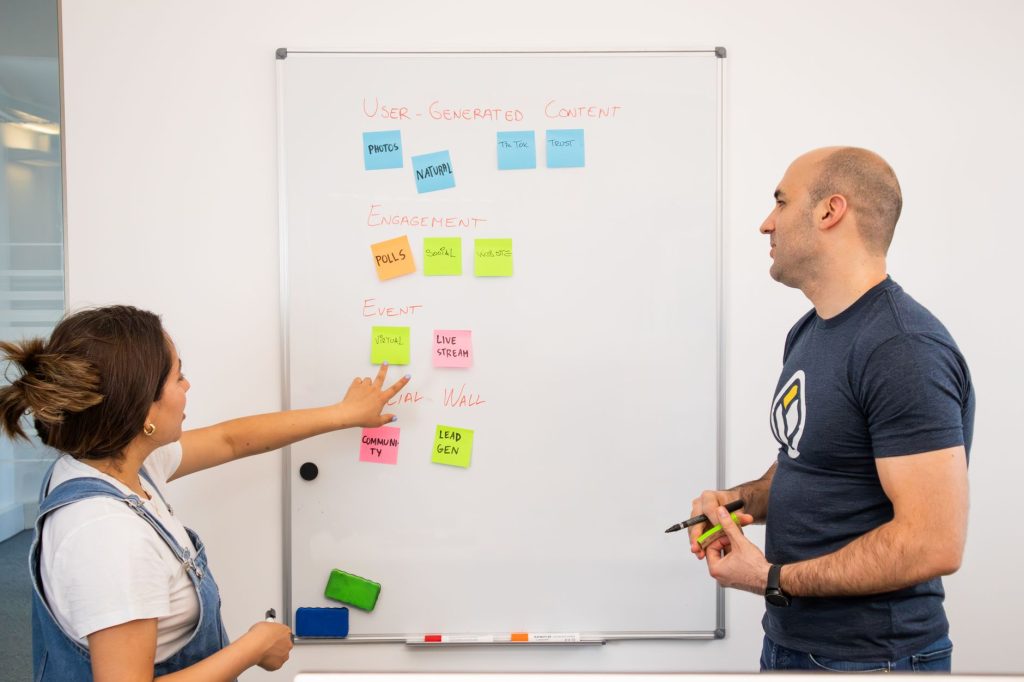
A practical AEO/GEO audit follows a repeatable sequence that moves from page selection to scoring and remediation. Each step produces a concrete output that can be reviewed by editors or clients.
- Select priority pages. Choose pages that answer commercial or informational questions your audience asks, such as service pages, comparison articles, and FAQs.
- Check answer-first structure. Confirm each H2 is followed by a one-to-two sentence direct answer before elaboration. The first sentence should stand alone without pronouns.
- Assess entity salience and topic confidence. Verify that key entities (brand, product, people, concepts) are named consistently and supported by context, not just repeated keywords.
- Review EEAT signals. Look for author credentials, cited sources, updated dates, and transparent limitations. Google’s guidance on AI-generated content stresses rewarding original, helpful content regardless of production method.
- Validate structured data. Use accurate schema markup where relevant, following Google’s structured data documentation, to help machines interpret page purpose.
- Score and prioritize fixes. Record gaps in a checklist, rank by impact, and assign owners. Re-audit after edits to confirm improvement.
What Should an AEO/GEO Audit Checklist Include?
A useful AEO/GEO checklist covers answer structure, entity clarity, trust evidence, and technical extractability. The checklist below can be applied manually or with an AI content auditor.
| Area | Check | Pass Criteria |
|---|---|---|
| Answer structure | Direct answer after each H2 | First sentence answers the heading without pronouns |
| FAQ readiness | Visible FAQ block | At least 5 factual Q&A pairs, no sales language |
| Entity salience | Consistent entity naming | Brand, product, and people named clearly with context |
| EEAT | Author and source transparency | Credentials, citations, and update dates present |
| Structured data | Relevant schema | Accurate FAQPage or Article markup where applicable |
| Limitations | Honest scope statements | No guarantees of rankings or AI Overview inclusion |
What Does an AI Visibility Checker Measure?
An AI visibility checker estimates how easily AI systems can extract and trust content by scoring answer clarity, entity coverage, and EEAT signals. Scores are diagnostic indicators, not official Google ranking scores.
Tools such as the Web AEO/GEO AI Content Visibility Auditor let teams paste content and review structural and trust signals. A Chrome extension version can audit selected text directly from a webpage for faster triage. The Google AI Overviews Mirror simulates how AI search may evaluate a brand against a competitor, clearly labeled as a simulation rather than a live Google result.
What Is a Realistic AEO/GEO Audit Use Case?
A realistic use case is a B2B SaaS team preparing a comparison article for AI search citation. The team runs the page through an audit, finds the introduction lacks a direct definition, and discovers the FAQ answers include promotional language.
The team rewrites the opening into a 40–80 word definitional answer, converts FAQ answers into neutral factual statements, adds author credentials, and cites Google documentation. After re-auditing, answer clarity and trust signals improve. The team still cannot guarantee inclusion in Google AI Overviews, but the content is easier for AI systems to extract and cite.
What Are the Limitations of AEO/GEO Audits?
AEO/GEO audits cannot guarantee rankings, traffic, or inclusion in Google AI Overviews. AI search systems evolve, and simulated outputs are not live Google results.
Scores reflect structural and trust signals at a point in time. They do not measure real-world user satisfaction, competitive dynamics, or algorithmic changes. Treat audit results as guidance for content improvement, not as performance guarantees.
FAQ
What is the difference between AEO and GEO?
AEO focuses on answer structure and question-led content that answer engines can extract. GEO focuses on entity salience, topical confidence, and citation-worthiness across generative engines. Both aim to improve AI search visibility.
Does Google AI Overviews require special markup?
No. Google states that AI Overviews do not require special optimization or markup. Helpful, reliable content with accurate metadata and clear answers is the primary requirement.
Can an audit score guarantee inclusion in Google AI Overviews?
No. Audit scores are diagnostic indicators of content structure and trust signals. They do not guarantee rankings or inclusion in Google AI Overviews.
How often should I run an AEO/GEO audit?
Run an audit after major content updates and quarterly for priority pages. Re-audit after implementing fixes to confirm improvement in answer clarity and entity signals.
Who is an AEO/GEO audit suitable for?
An AEO/GEO audit suits SEO professionals, content marketers, agencies, SaaS teams, publishers, and business owners who want content understood by AI search systems. Teams with limited content depth should build topic coverage first.
Start with the AI SEO Visibility Chrome Extension to audit selected content directly from a webpage. For deeper reviews, use the free Web AEO/GEO Auditor to evaluate pasted content for AI visibility and EEAT signals.
Reviewed and published by EZ AGENCY AI Team. This article was drafted with AI assistance and edited for accuracy and clarity. Facts should be verified before relying on them for business decisions.
Last updated: November 6, 2026





